For parents
When your child cannot find the words, a story can help open the conversation.
Some young people go quiet. Some get loud. Some overachieve. Some pretend they are fine. Rewritten Roads creates story-led resources that help children feel seen and help adults listen more deeply.
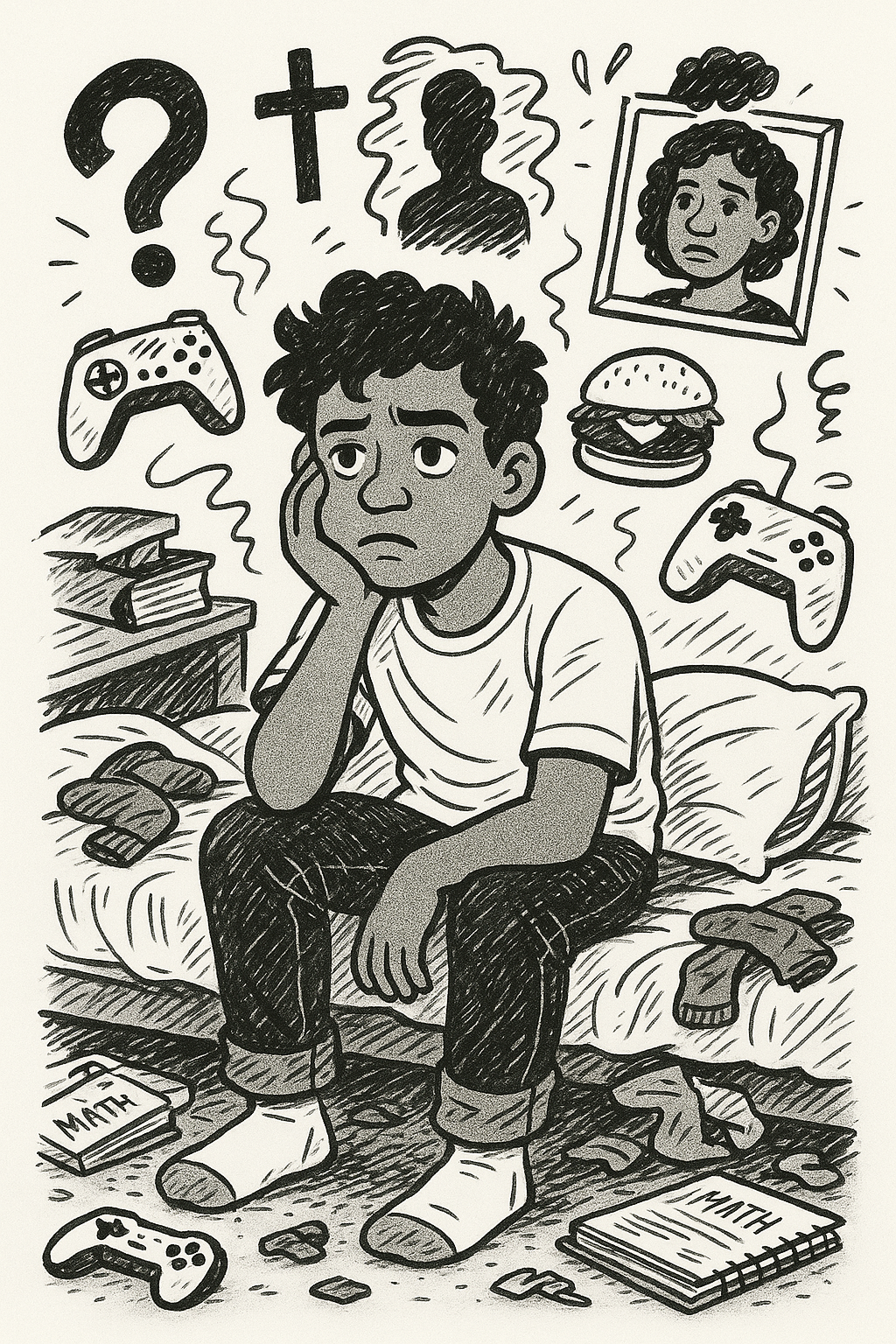
"He won't talk."
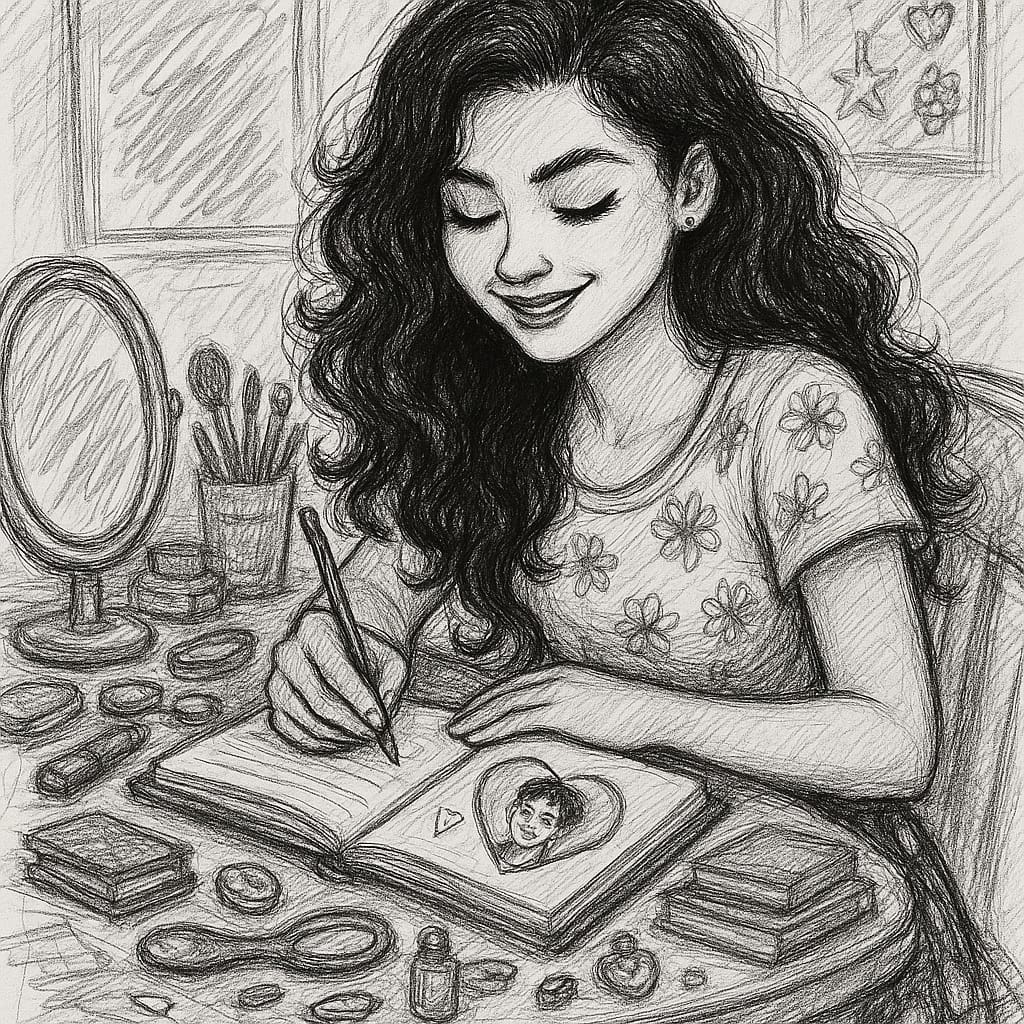
"She won't stop."
What we hear most
What looks like
silence is often
a story they can't tell yet.
Some children go quiet. Some get loud. All are just trying to manage feelings they don't yet have the language for. Rewritten Roads gives them characters who carry it first - so they can begin to put their own into words.
01
Why these stories matter
Children are processing more than we see. They notice exclusion, comparison, the absent parent, the friendship that shifted overnight. Stories give those experiences a shape - and a way out.
02
How children experience rejection
Adults rationalise rejection. Children internalise it. They turn 'something happened to me' into 'something is wrong with me.' Stories help them externalise that pain so it can be examined, named and healed.
03
How stories help safely
Reading about a character lets a child feel something without having to claim it. It opens a side-door to conversations that would feel too direct otherwise.
04
How to read with your child
Read together. Pause when something lands. Ask gentle, open questions. Don't rush to fix - your presence is the medicine. The books include themes designed to spark, not script, the conversation.
Conversation starters
Questions to ask
after reading
A starting point - adjust the wording for your child's age and personality.
- Which character did you feel closest to, and why?
- Was there a moment in the story that felt familiar?
- If you could give the main character one piece of advice, what would it be?
- Has anything like this ever happened in your own life?
- What would you want a friend or grown-up to do, if you felt this way?
Speaking & workshops
Invite Laurie to deliver
a story-led session
your pupils will remember.
Laurie delivers engaging assemblies, workshops and author talks that help young people aged 8 to 16 explore identity, rejection, confidence, belonging and resilience through story. Sessions are warm, honest, interactive and age-appropriate — designed to help pupils feel seen without feeling exposed.
Builds emotional language
Stories help young people put words to feelings they may not yet know how to explain. Through character-led storytelling, pupils can explore rejection, identity, belonging and resilience in a safe and age-appropriate way.
Builds belonging safely
The right story can help pupils realise they are not the only ones navigating friendship, rejection, comparison or confidence struggles. Rewritten Roads sessions create space for honest reflection without shame.
Equips the adults too
Schools and parents receive practical conversation prompts, reflection tools and next-step resources to continue the discussion after the session ends.
Follow the journey
Tap in
@rewrittenroads
Behind-the-scenes, character drops, parent tips and reader reactions - posted across socials. Follow Elias, Gia and the journey.
Newsletter
Join the community
Parent conversation guides, early access to new books, emotional support resources, and event announcements - sent with care, never spam.